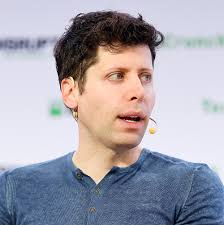
OpenAI is built on a $1.4 trillion paradox. To investors, the company’s massive spending commitment on AI infrastructure is a terrifying liability, a cash bonfire that dwarfs its revenues and threatens to burn out. But to CEO Sam Altman, this cost is not the real risk. In his view, the far more significant danger is not spending enough.
Altman articulated this philosophy clearly on X, stating, “we believe the risk of OpenAI of not having enough computing power is more significant and more likely than the risk of having too much.” This single statement reframes the entire debate. It’s not about surviving the cost; it’s about winning the race. The $1.4 trillion isn’t a debt; it’s a down payment on market dominance.
This belief is fueled by staggering demand. OpenAI boasts 800 million weekly users and 1 million business customers. Based on these trends, Altman believes the world wants “how much of it they would like to use,” implying a near-insatiable appetite for AI. The bet is that as models get better, this demand will justify any price tag, eventually generating “hundreds of billions” in annual revenue.
This demand-side optimism, however, is being challenged by new data. Critics like Carl Benedikt Frey point to U.S. Census Bureau figures showing a slowdown in AI adoption among large firms. This could mean the initial hype wave is receding, and that businesses are finding the current AI tools are not yet as transformative as promised.
This creates the central tension: Is OpenAI building infrastructure for a tidal wave of demand that is already receding? OpenAI insists its own metrics show “accelerating business adoption.” This paradox—spending a trillion dollars based on the belief that future demand will cover the cost—is the defining gamble of the AI era.