
The aftermath of the budget has descended into a bitter war of words, with the Conservative Party branding Labour’s economic strategy as a failure. Leading the charge, Tory leader Kemi Badenoch has launched a scathing attack on Chancellor Rachel Reeves, accusing her of “wallowing in self-pity” instead of addressing the economy’s needs. The Opposition claims that Labour’s heavy taxation and slow-growth outlook represent a “politics of decline.”
The Conservatives are particularly focused on what they describe as a deception regarding the Office for Budget Responsibility (OBR) forecasts. They allege that Reeves exaggerated the gloominess of the economic outlook to justify a £26bn tax raid, only for data to later show a potential surplus. Badenoch argues that this undermines the government’s entire rationale for the budget and is grounds for the Chancellor’s resignation.
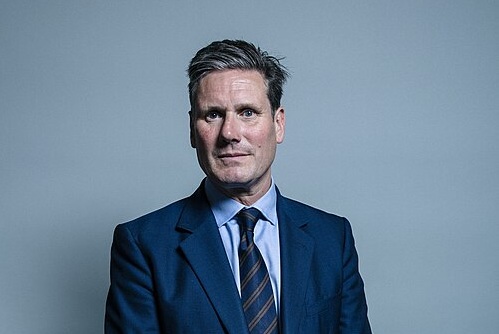
Prime Minister Keir Starmer has hit back, flipping the accusation on its head. He argues that it is the Conservatives who offer only decline, citing their record of austerity and high welfare spending. In a retort to the “grievance” politics of the right, Starmer claims his government is the only one offering a serious, long-term plan. He insists that refusing to take hard decisions now would be the true act of surrender.
The political row has become intensely personal. Badenoch has refused to soften her rhetoric, stating her job is to hold the government to account, not to provide “emotional support” to the Chancellor. Meanwhile, Labour aides worry that this noisy political theater is drowning out their message about cost-of-living support and green energy levies, distracting voters from the benefits of the budget.
As Parliament prepares for further clashes, the narrative battle is in full swing. The Tories are attempting to paint the government as dishonest and incompetent, while Labour tries to characterize the opposition as reckless and unserious. With both sides claiming to be the guardians of growth, the British public is left to decide which version of “decline” they are more afraid of.