
A new report from the Labour Rural Research Group has sounded the alarm on a brewing energy crisis for the 1.5 million UK homes reliant on heating oil. As war rages in the Middle East, prices for off-grid fuel have surged by as much as 117%, leaving many families in rural Britain vulnerable to extreme price swings. Unlike those on the national grid, these consumers have no price cap to protect them, leading to urgent calls for government intervention.
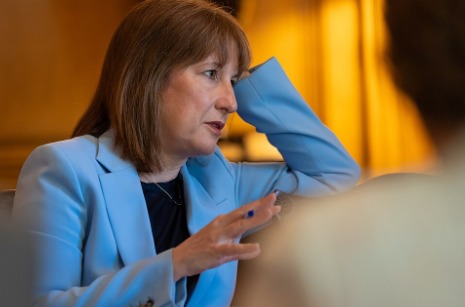
Chancellor Rachel Reeves acknowledged the plight of rural communities, stating that the Treasury is investigating ways to mitigate these “cost-of-living shocks.” While the government monitors “price gouging” at the retail level, many MPs argue that monitoring is not enough to keep homes warm. The crisis is compounded by the fact that many of these households are located in constituencies recently won by Labour, creating a significant political headache for the Prime Minister.
The broader economic backdrop remains bleak as the conflict shows no immediate signs of a permanent resolution. Following the appointment of Mojtaba Khamenei in Tehran, Iranian officials have suggested that the Strait of Hormuz will remain a flashpoint as long as US strikes continue. This blockade-like environment has caused the International Energy Agency to consider a coordinated release of oil reserves to stabilize the global supply.
In London, the Chancellor and Prime Minister Keir Starmer have emphasized that the UK is better prepared for energy shocks than it was three years ago. Increased investment in domestic security and diversified supply chains have provided a cushion, but officials admit that a prolonged war will eventually hit every household. The government’s strategy currently focuses on “getting ahead” of the curve through international cooperation and strict domestic oversight.
As the public waits for the next move from the Treasury, polling suggests that nearly three-quarters of Britons expect a negative impact on their personal finances. The sense of anxiety is palpable, with motoring organizations advising drivers to limit non-essential travel to save fuel. Whether the government can maintain its fiscal plans while shielding the public from a “Trump-made” crisis remains the defining question of the current session.