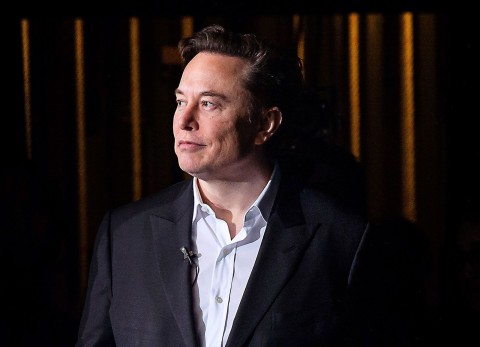
Tesla’s proposed $1 trillion compensation deal for Elon Musk faces mounting opposition after Norway’s sovereign wealth fund confirmed it will vote against the plan. The decision adds to growing resistance from major institutional investors ahead of Tesla’s annual shareholder meeting.
The Norwegian fund, which manages assets worth over $1.5 trillion, said it appreciated Musk’s contributions but could not support a pay deal of such scale. In its statement, the fund said the proposal raised “concerns about total size, dilution, and concentration of risk,” issues that contradict its long-held principles on responsible governance.
Under the proposed arrangement, Musk would receive massive new stock options if Tesla’s valuation climbs to $8.5 trillion within the next decade. This could significantly increase his ownership stake in the company, solidifying his control and potentially boosting his net worth above $2 trillion.
Tesla’s board insists the deal is necessary to keep Musk focused on the automaker at a time when his attention is divided between SpaceX, X (formerly Twitter), and other ventures. Chair Robyn Denholm warned that without the package, Tesla could risk “losing its driving force.”
Yet advisory firms Glass Lewis and ISS have already urged shareholders to reject the proposal, calling it “excessive” and “poorly justified.” They argue that rewarding Musk at this scale is inconsistent with Tesla’s current performance trends, including falling vehicle deliveries in key markets.
The controversy also revives debate about Musk’s leadership style and corporate governance. Critics argue that Tesla’s dependence on Musk poses long-term stability risks, especially as global competition in electric vehicles intensifies.
With global car sales slowing and Chinese rivals gaining ground, many analysts see the compensation dispute as emblematic of Tesla’s broader challenges — balancing visionary leadership with shareholder discipline.