
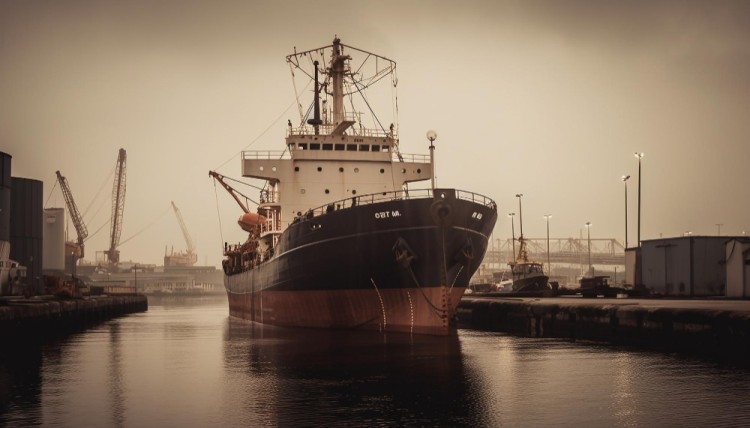
The recent agreement between the United States and Iran has not yet eased restrictions on commercial shipping through the Strait of Hormuz, as maritime officials emphasize that the removal of numerous naval mines is essential before normal operations can resume. Industry representatives report that approximately 80 mines still pose a threat in the central shipping channel, rendering it unsafe for commercial vessels. Consequently, some ships have opted for a narrower route along the Omani coast, but this alternative is fraught with risks of groundings and other maritime incidents, according to experts.
The disruptions have left hundreds of vessels stranded in the Gulf, leading to a significant backlog. Clearing this congestion may take weeks or even months. Additionally, shipping companies have raised alarms over instances of electronic signal interference occurring during the conflict, which have disrupted navigation systems and increased the potential for collisions in the busy strait.
As one of the world’s most crucial energy corridors, the Strait of Hormuz plays a vital role in the transportation of a major portion of global oil exports. Continued disruptions could have far-reaching impacts on global supply chains, shipping expenses, and energy markets, potentially driving up costs and affecting market stability.
Industry leaders are also wary of Iran’s suggestion to impose transit fees on commercial vessels once a temporary toll-free period concludes. Shipping companies contend that such fees would contravene established maritime law, which stipulates that international waters should remain free of charges. There is concern that this move could set a precedent for other significant global shipping routes, potentially leading to similar charges elsewhere.