
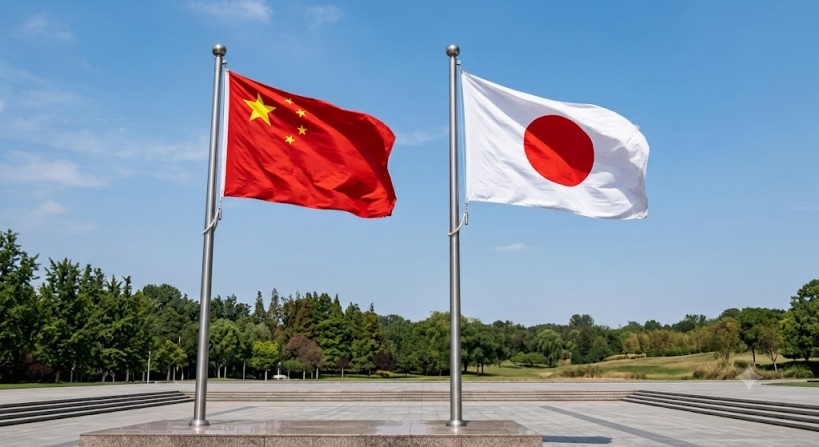
In a significant move, China has instituted new export controls affecting 40 Japanese entities, citing concerns over Japan’s enhanced military capabilities and alleged “remilitarization” efforts. The measures target 20 Japanese companies and divisions, including branches of major corporations, by restricting the sale of certain dual-use goods—items that can be utilized for both civilian and military purposes—by Chinese and foreign exporters.
An additional 20 Japanese entities have been placed on a watch list, necessitating exporters to obtain special approvals, conduct risk assessments, and ensure that their products are not intended for military use. These restrictions, according to Beijing, are a response to Japan’s perceived military expansion, with particular unease over Japan’s bolstering of its defense systems, including long-range weaponry, and its closer security ties with other nations.
Japan has responded sharply to the announcement, labeling the export controls as unacceptable and urging China to retract the measures. Japanese authorities have stated that they will evaluate the impact of these restrictions and contemplate suitable countermeasures. This development comes amid a backdrop of rising tensions between the two countries, particularly after Japan made moves to enhance its defense strategy and military strength.
Beijing has consistently voiced opposition to Japan’s security policies, especially those related to Taiwan. Analysts suggest that the restrictions might serve more as a diplomatic signal than a comprehensive economic action, yet they highlight the precarious nature of Sino-Japanese relations amidst broader regional security challenges.