
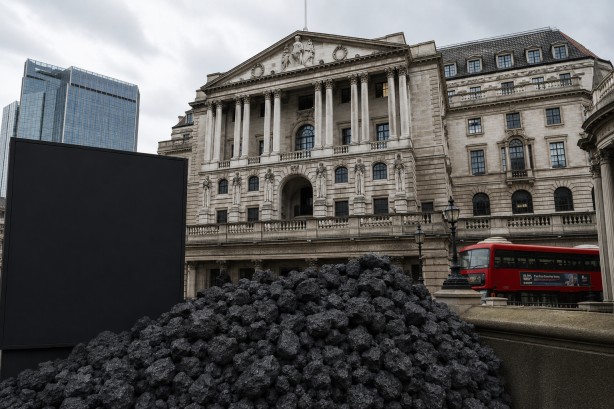
In a decisive move to confront climate-related financial risks, the Bank of England has declared it will cease accepting bonds associated with thermal coal companies as collateral for its lending operations starting in October. This policy shift represents a concerted effort by the central bank to align its financial practices with the global transition toward cleaner energy sources and net-zero emissions targets.
Typically, commercial banks, including major lenders, rely on bonds as collateral when borrowing from the central bank to manage daily operations and facilitate transactions. However, under the new guidelines, bonds tied to thermal coal—the fossil fuel predominantly used in power generation—will be excluded from eligibility. The central bank highlighted that companies engaged in the thermal coal sector face increasing financial risks, as global efforts to mitigate climate change are likely to diminish the value of coal-related assets over time.
The Bank of England’s policy also introduces the possibility of applying discounts to bonds from sectors with heightened exposure to climate risks. This measure aims to safeguard the central bank’s balance sheet from potential devaluations linked to environmental challenges. The move has been praised by environmental advocates, who view it as a significant message to financial markets. It is anticipated that this could prompt commercial banks to reconsider their investments in industries with high pollution levels.
Globally, more than 150 leading financial institutions have already implemented restrictions on business activities related to the thermal coal sector. Analysts suggest that the policy’s success will depend largely on the methods used to evaluate climate risks and whether similar actions will extend to other environmentally detrimental activities moving forward.