
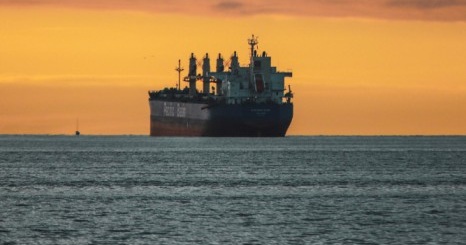
Oil prices experienced a notable drop on Friday after U.S. President Donald Trump hinted at the possibility of a peace agreement with Iran, which fueled hopes for reduced tensions in the critical Strait of Hormuz. During trading, Brent crude prices momentarily fell below $85 per barrel, a decrease from approximately $93 earlier in the week. As the market absorbed mixed messages from Washington and Tehran, prices later stabilized in the $87–$89 range.
The initial price decline was driven by optimism that a potential deal might lead to the reopening of the Strait of Hormuz, a vital route for global oil and gas exports. However, the recovery in prices followed as uncertainty emerged due to inconsistent statements from both parties regarding the negotiation status. President Trump remarked that military action against Iran had been put on hold amid progress in talks, while simultaneously denying reports of a finalized agreement. Meanwhile, Iranian representatives noted that discussions were still underway, though no conclusive deal had been reached.
Experts highlight that oil markets are particularly sensitive to political developments, with prices reacting sharply to news of potential conflicts or diplomatic advancements. The recent fluctuations underscore the volatility in the market, which reacts swiftly to geopolitical cues.
Despite the recent instability, some financial analysts anticipate that oil prices may gradually stabilize as global supply conditions improve and stockpiles are replenished. Nonetheless, projections remain tentative due to persistent geopolitical risks and variable demand patterns, leaving the future direction of oil prices uncertain.